theory
tangible user interfaces – the future of education and learning?
Finja Adam
Janek Engel
Clara Frick
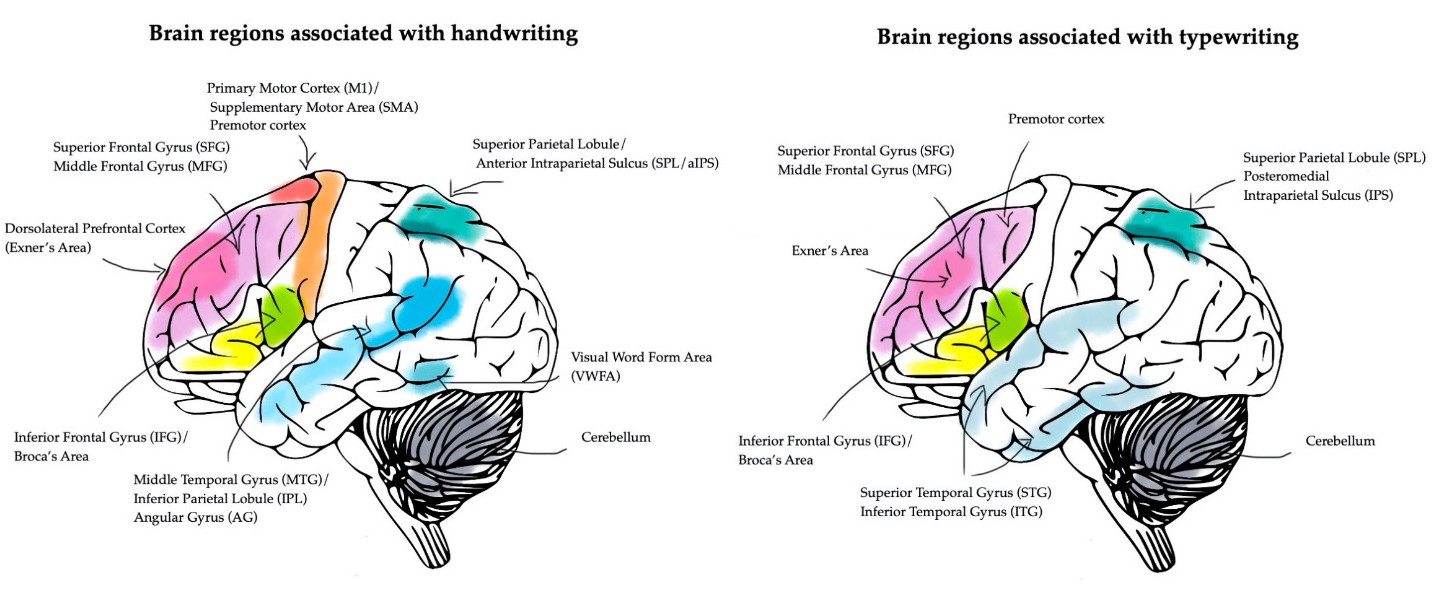
Figure 1: Neural correlates of handwriting and typewriting by Marano et al. (2025)
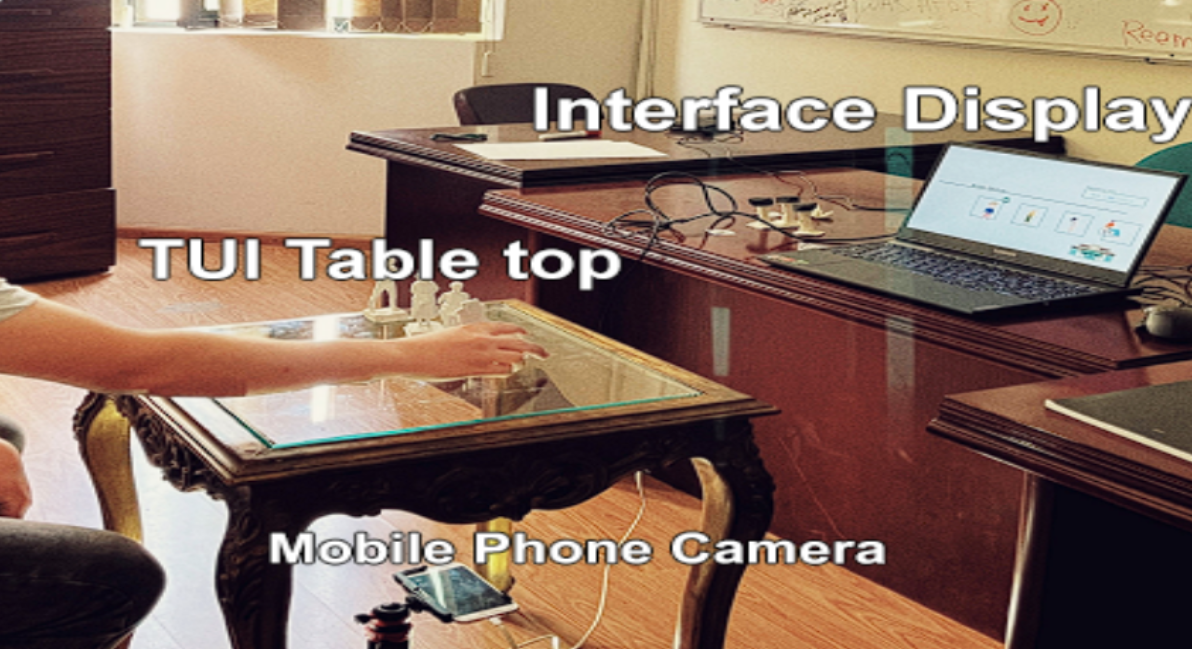
Figure 2: TUI setup by Hany (2023)
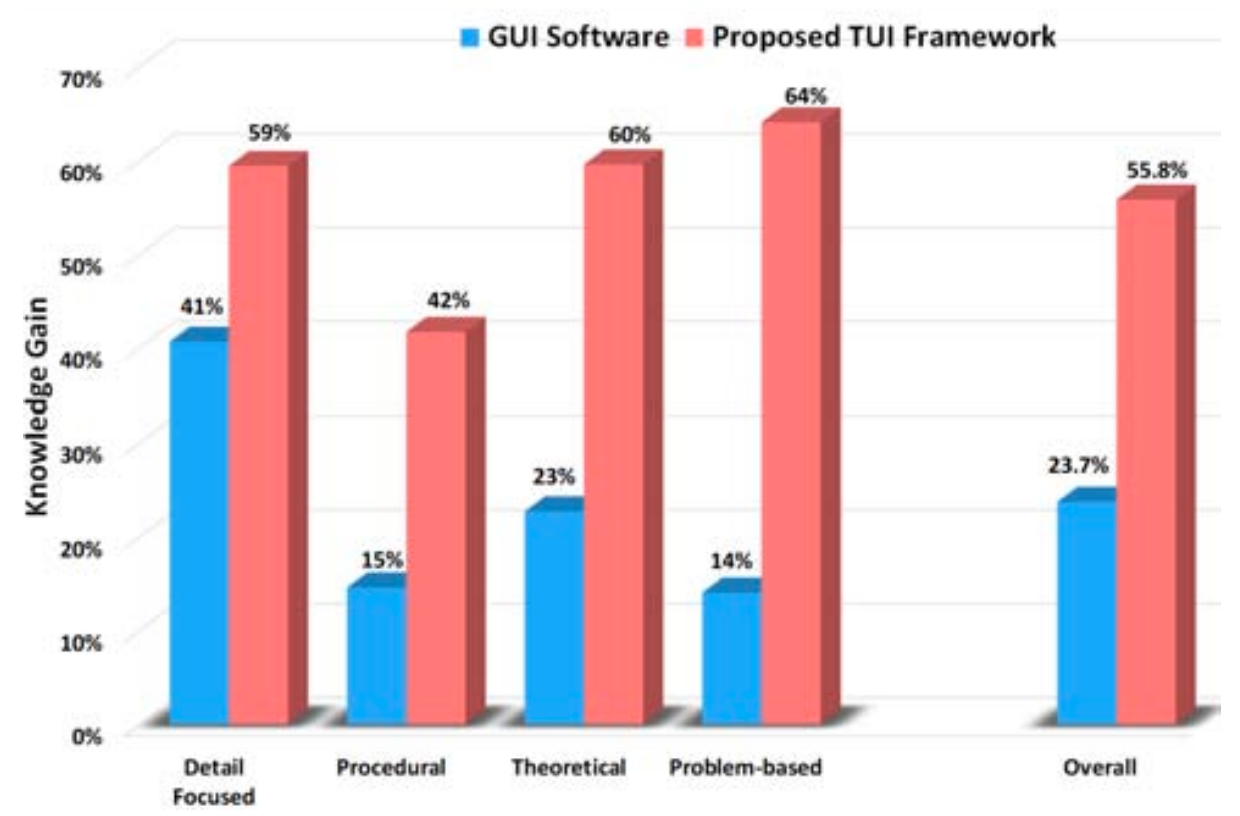
Figure 3: Results of TUI study by De Raffaele et al. (2018)
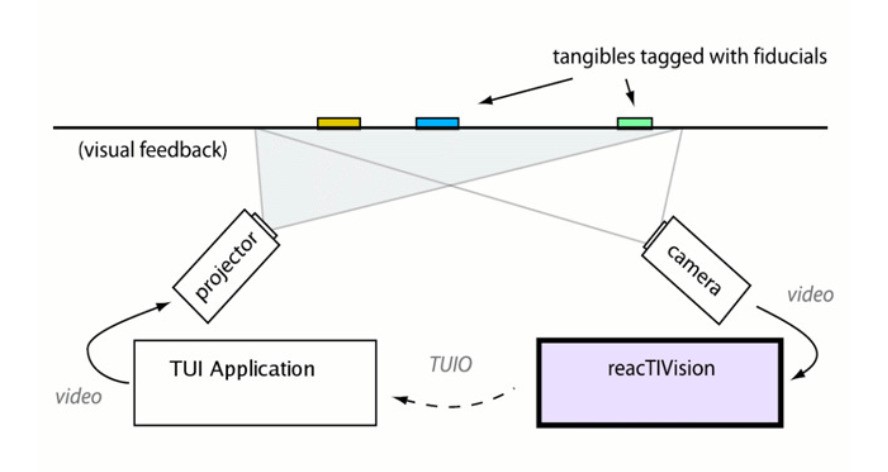
Figure 4: reacTIVision diagram by Kaltenbrunner & Bencina (2007)
Will TUIs reshape how we learn? What do critical voices say?
09.05.2026
“I argue that tangible interaction creates unique opportunities for designers to shape objects and situations to evoke cultural forms of literacy, learning, and play.”
(Michael S. Horn)
Introduction
Tangible User Interfaces (TUIs) are understood as an “interface type that interlinks the digital and physical worlds” (Shaer & Hornecker, 2010). More precisely, the term tangible refers to the idea of “human–computer interaction techniques that move beyond computer screens and create opportunities for people to interact with digital systems using their bodies and physical artifacts” (Horn, 2018). The field of TUIs encompasses a wide range of application areas. They are for instance used in artistic and performative contexts, such as museums and exhibitions (cf. Marshall et al., 2016), as well as in domains like therapy and healthcare, where tangible interaction has been explored in rehabilitation and assistive contexts (cf. Klamka et al., 2018).
The following text focuses on tangible interactions in the context of education and learning, examining how this form of interaction is applied in teaching and learning environments such as schools and universities. By allowing users to draw on real-world skills when interacting with digital content (cf. Shaer & Hornecker, 2010), TUIs require relatively little prior knowledge, which makes such systems intuitive (cf. Zaman et al., 2011) and therefore particularly accessible for beginners (cf. Liang et al., 2021). The physical interaction with TUIs can also contribute to a more effective and sustainable learning experience. This is supported by numerous studies showing that handwriting, in contrast to typing, can lead to better learning outcomes (cf. Marano et al., 2025) because more brain regions are activated to a greater extent by physical interaction (cf. Mueller & Oppenheimer, 2014). Since teachers often take a more facilitating and less directive role when working with TUIs, these systems can foster children’s autonomy and initiative in the learning process (cf. Liang et al., 2021). At the same time, TUIs often encourage social interaction (cf. Zaman et al., 2011), as learning activities are frequently carried out collaboratively, resulting in an efficient and enjoyable learning experience (ibid.).
Practical Examples in Education and Learning
A growing body of case-based research highlights how TUIs can meaningfully enhance learning outcomes across different areas of computer science education. One particularly illustrative example comes from a study by Hany (2023), which examined how students learn C++ queue data structures. In this case, TUIs were used to physically represent queue operations, allowing students to manipulate elements in a hands-on way rather than relying solely on abstract code. The results were notable: students using TUIs showed a 25% improvement in learning outcomes, compared to just 9.1% in a non-TUI setting. Even more striking is the retention effect, because after two weeks, TUI learners experienced only a 1.7% decline in performance, whereas the non-TUI group showed a much steeper drop of 7.2%. This suggests that TUIs not only improve initial comprehension but also support longer-term retention.
Another compelling application comes from the introduction of artificial intelligence concepts using TUIs. In a study by De Raffaele et al. (2018), students interacted with physical representations of AI processes, which helped make otherwise abstract concepts more accessible. When compared directly to traditional GUIs, TUIs performed significantly better in terms of learner understanding and engagement. However, it is important to note that this study did not include a comparison with conventional lecture-based teaching, leaving open the question of how TUIs perform against more traditional instructional formats.
A third example focuses on teaching database normalization. De Raffaele et al. (2017) reported that students using a TUI-based approach achieved grades that were 13% higher than those taught through standard lectures. While this result points toward the potential effectiveness of TUIs, the study itself does not fully meet rigorous scientific standards. As such, its findings should be interpreted with caution, even if they align with broader trends observed in other research.
Taken together, these case studies highlight both the potential and the current limitations of TUIs in education. While many studies report improved understanding, engagement, and retention, the overall evidence base remains limited, underscoring the need for more rigorous research and inviting critical perspectives on TUIs.
Critical Perspectives
While TUIs offer promising opportunities to rethink learning, they also come with several challenges and limitations. In many cases, including the examples discussed above, TUIs are designed for rather narrow target groups (e.g., IT students) and address only small segments of a broader subject area. Given the considerable effort required to design and implement such systems, their limited and often infrequent use raises concerns about sustainability. However, there are also approaches aimed at more sustainable TUI development. One example is the reacTIVision toolkit, which enables the recognition of tangible objects through computer vision (cf. Kaltenbrunner & Bencina, 2007) and has been used across multiple case studies like the three examples named previously.
Another challenge lies in the nature of interaction with TUIs, which is often exploratory and self-directed with limited structure or direct instructional guidance (cf. Horn, 2018). While this can foster autonomy, it may also be particularly demanding for younger learners. Furthermore, research suggests that individual learner characteristics such as “personality traits, attitudes, behavioral patterns, as well as one’s environment and personal circumstances” (Loviscach, 2023, translated by the author) generally have a greater impact on learning outcomes than the technologies used. At the same time, social and cultural differences can significantly influence interaction patterns, highlighting the need for inclusive design approaches if TUIs are to be meaningfully assessed across diverse user groups.
These factors may help explain the current limitations of the research landscape regarding the positive effects of learning with TUIs. Although numerous studies and prototypes exist, many suffer from methodological weaknesses (cf. Liang et al., 2021), such as small sample sizes or highly specific experimental settings. These issues are further reinforced by the inherent challenges of evaluating TUIs, as key factors such as enjoyment and user experience are subjective in nature (cf. Zaman et al., 2011), making findings difficult to compare across studies.
Conclusion
Overall, TUIs can be engaging and enjoyable, and they hold clear potential for the future of learning. As systems that integrate physical and digital interaction, they present one promising approach within a broader shift toward hybrid learning environments. However, TUIs should not be seen as a universal solution, and further research is needed to better understand their actual impact and limitations. Given the high costs associated with designing, developing, and maintaining TUIs, their implementation should be carefully considered and aligned with meaningful educational benefits, while also ensuring accessibility and social sustainability across diverse populations.
References
De Raffaele, C., Smith, S. & Gemikonakli, O. (2017). The application of tangible user interfaces for teaching and learning in higher education. In J. Branch et al. (Ed.), Innovative Teaching and Learning in Higher Education (pp. 215–226). LibriPublishing. https://www.researchgate.net/publication/318467293_The_Application_of_Tangible_User_Interfaces_for_Teaching_and_Learning_in_Higher_Education
De Raffaele, C., Smith, S. & Gemikonakli, O. (2018). An Active Tangible User Interface Framework for Teaching and Learning Artificial Intelligence. In Proceedings of the 23rd International Conference on Intelligent User Interfaces (IUI ‘18). Association for Computing Machinery. 535–546. https://dl.acm.org/doi/10.1145/3172944.3172976
Hany, A., Ramadan, E., Akl, A. & Atia, A. (2023). The Effect of Using Tangible User Interfaces Compared to Traditional Learning for Teaching Programming in Higher Education: An Experimental Study. In 2023 Intelligent Methods, Systems, and Applications (IMSA). 514-519. https://doi.org/10.1109/IMSA58542.2023.10217780
Horn, M. S. (2018). Tangible Interaction and Cultural Forms: Supporting Learning in Informal Environments. Journal of the Learning Sciences, 27(4), 632–665. https://doi.org/10.1080/10508406.2018.1468259
Kaltenbrunner, M. & Bencina, R. (2007). ReacTIVision: a computer-vision framework for table-based tangible interaction. In Proceedings of the 1st international conference on Tangible and embedded interaction (TEI ‘07). Association for Computing Machinery. 69–74. https://doi.org/10.1145/1226969.1226983
Klamka, K., Mitschick, A. & Dachselt, R. (2018). HANDle: A Novel Tangible Device for Hand Therapy Exergames. In R. Dachselt & G. Weber (Ed.), Mensch und Computer 2018 - Tagungsband. Gesellschaft für Informatik e. V. https://doi.org/10.18420/muc2018-mci-0335
Liang, M., Li, Y., Weber T. & Hussmann, H. (2021). Tangible Interaction for Children’s Creative Learning: A Review. In Proceedings of the 13th Conference on Creativity and Cognition (C&C ‘21). Association for Computing Machinery. Article 14, 1–14. https://doi.org/10.1145/3450741.3465262
Loviscach, J. (2023). Bin ich das? – Die Persönlichkeit und das Lernen offline sowie online. In R. Lankau (Ed.), Unterricht in Präsenz und Distanz (pp. 149–164). Beltz Verlag.
Marano, G., Kotzalidis, G. D., Lisci, F. M., Anesini, M. B., Rossi, S., Barbonetti, S., Cangini, A., Ronsisvalle, A., Artuso, L., Falsini, C., Caso, R., Mandracchia, G., Brisi, C., Traversi, G., Mazza, O., Pola, R., Sani, G., Mercuri, E. M., Gaetani, E. & Mazza, M. (2025). The Neuroscience Behind Writing: Handwriting vs. Typing – Who Wins the Battle? Life, 15(3), 345. https://doi.org/10.3390/life15030345
Marshall, M. T., Dulake, N, Ciolfi, L., Duranti, D., Kockelkorn, H. & Petrelli, D. (2016). Using Tangible Smart Replicas as Controls for an Interactive Museum Exhibition. In Proceedings of the TEI ‘16: Tenth International Conference on Tangible, Embedded, and Embodied Interaction (TEI ‘16). 159–167. Association for Computing Machinery. https://doi.org/10.1145/2839462.2839493
Mueller, P. A., & Oppenheimer, D. M. (2014). The Pen Is Mightier Than the Keyboard: Advantages of Longhand Over Laptop Note Taking. Psychological Science, 25(6), 1159–1168. https://doi.org/10.1177/0956797614524581
Shaer, O. & Hornecker, E. (2010). Tangible User Interfaces: Past, Present, and Future Directions. Foundations and Trends in Human-Computer Interaction, Vol. 3 No. 1-2 pp. 1–137. https://doi.org/10.1561/1100000026
Zaman, B., Vanden Abeele, V., Markopoulos, P. & Marshall, P. (2012). Editorial: the evolving field of tangible interaction for children: the challenge of empirical validation. Pers Ubiquit Comput 16, 367–378. https://doi.org/10.1007/s00779-011-0409-x
Disclosure Statement
This text was prepared with the assistance of the AI language model GPT-5.3, which was used for drafting and linguistic revision. The authors defined the content requirements and remain responsible for the final version.