theory
materiality, haptics and affordances
Aaron Pech
Marco Rudolph
Sandra Beckert
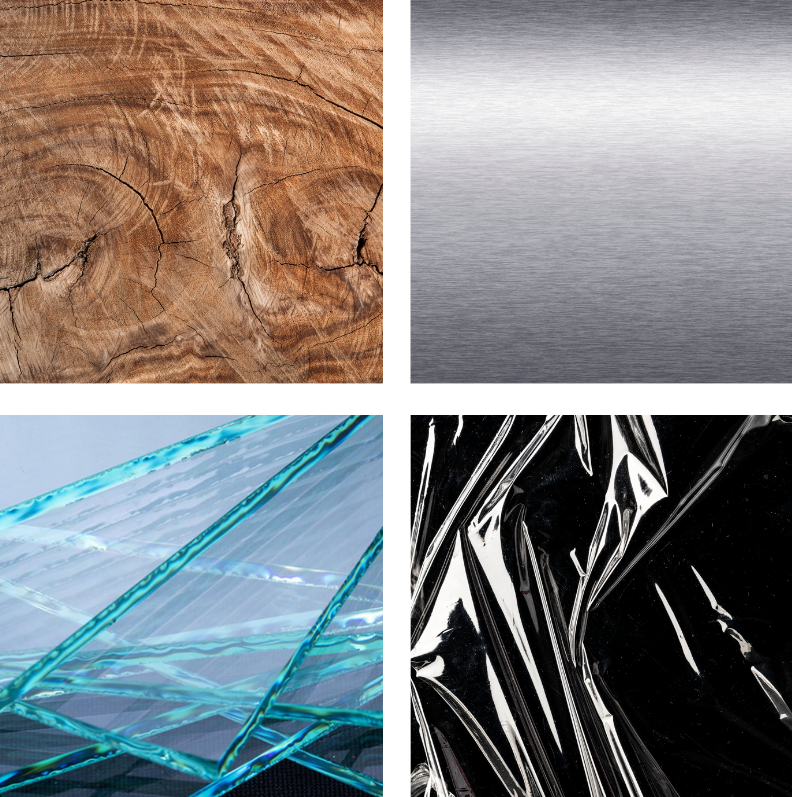
Figure 1: Associations of materials in interaction design e.g. wood, metal, ceramic, glass by Magnific
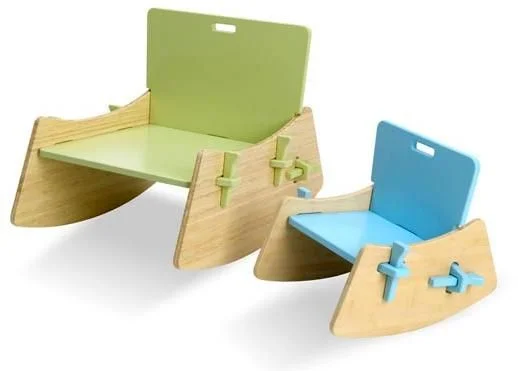
Figure 2: Easy Assembly children’s chair concept demonstrating material considerations in design by Alesina et al. (2010)
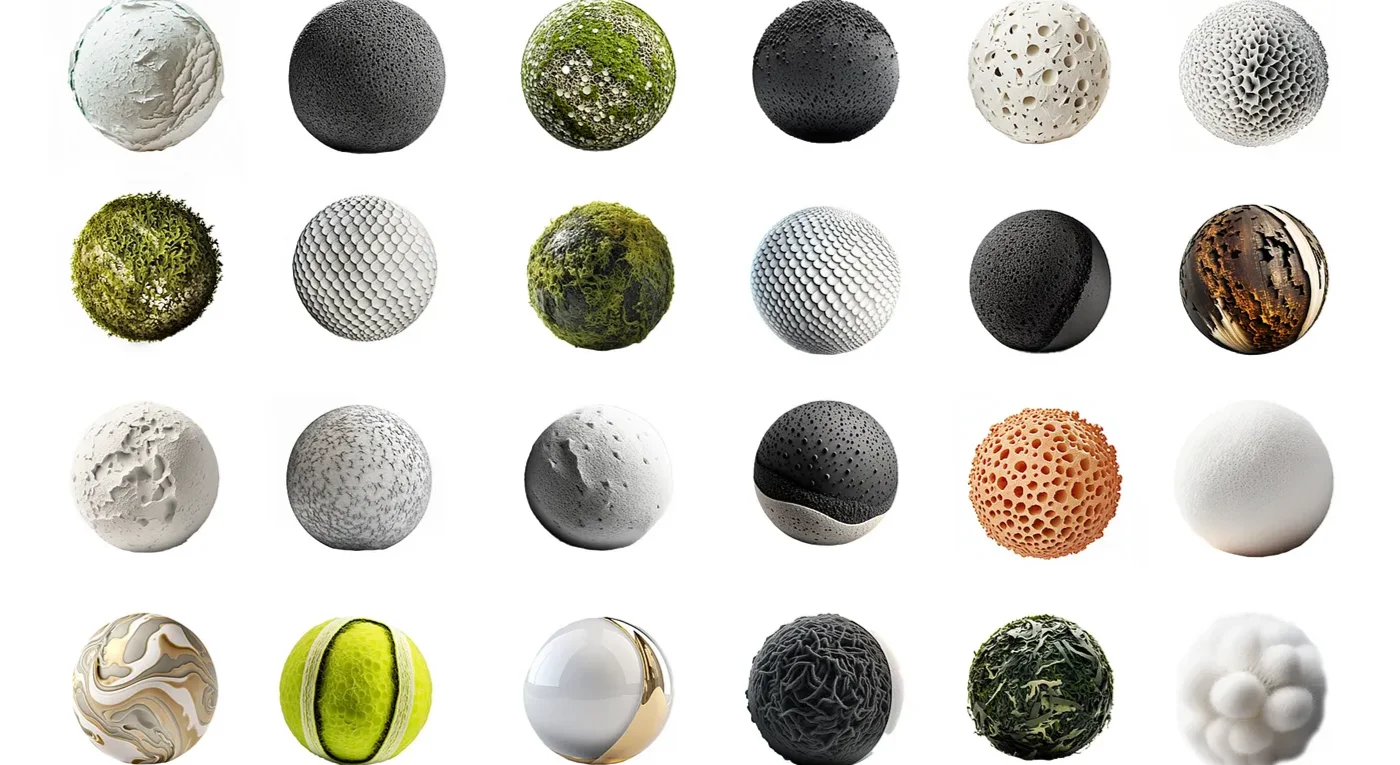
Figure 3: AI-generated materials and digital materiality using prompts by Becerra (2026)
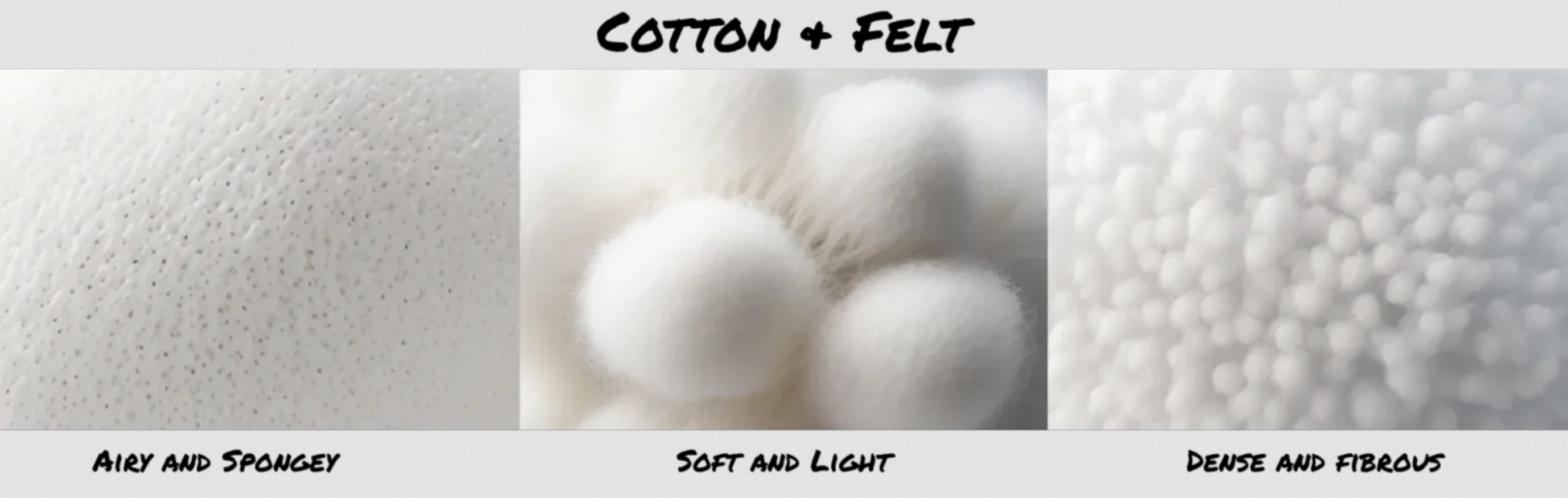
Figure 4: Exploration of material properties such as softness and density with cotton and felt by Becerra (2026)

Figure 5: Surreal material transformation of a fork losing its functional affordance by Becerra (2026)

Figure 6: AI-generated shoe design demonstrating physically complex material structures by Becerra (2026)
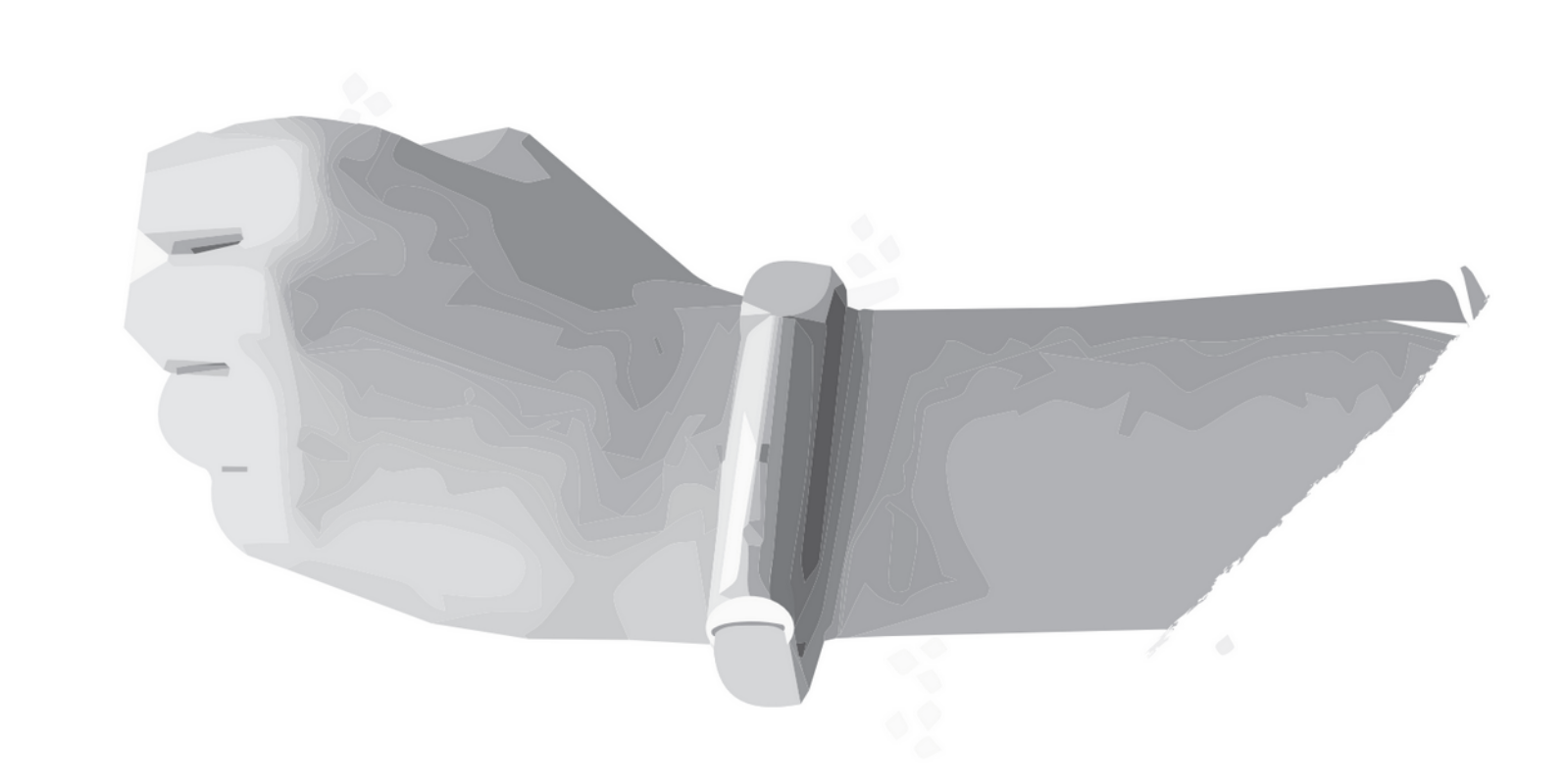
Figure 7: Misfit Ray wearable as an example of material-centered interaction design by Wilberg (2018)
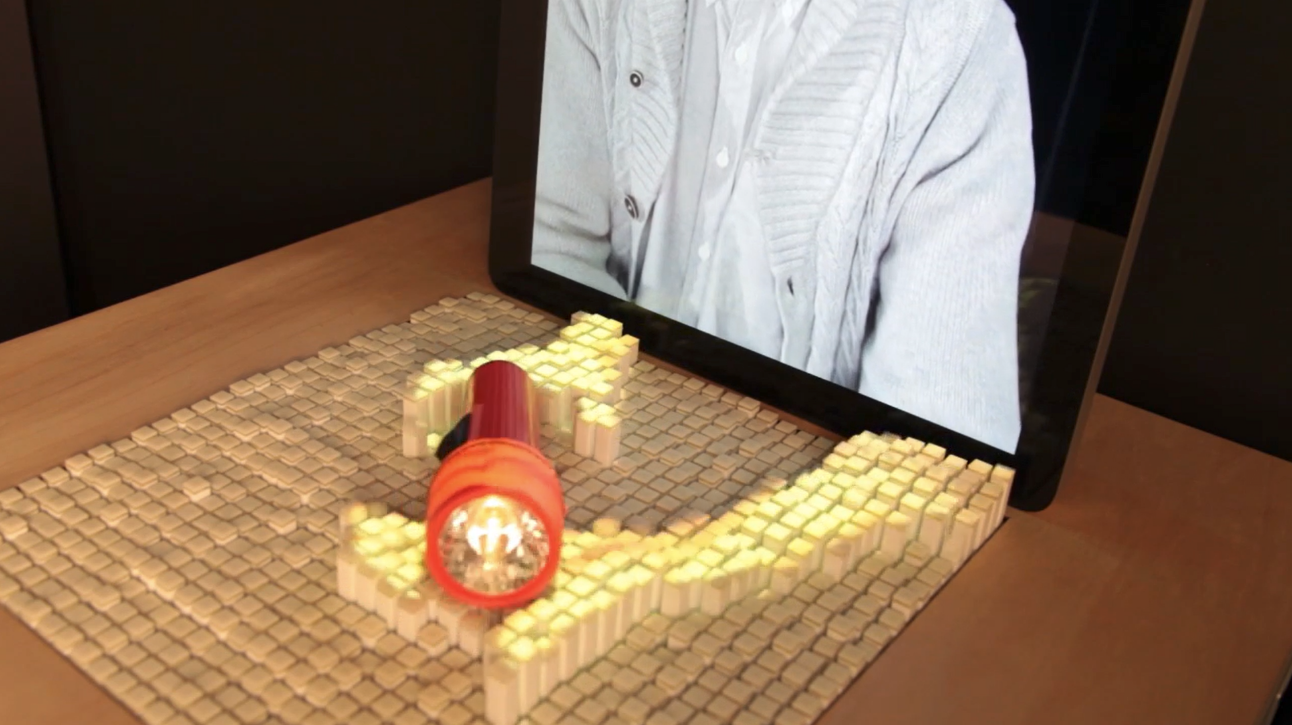
Figure 8: inFORM dynamic shape display translating digital data into physical form by Leithinger (2013)

Figure 9: Recommended Reading - Exploring Materials: Creative Design for Everyday Objects by Alesina et al. (2010)
Theory of how materiality and haptics influence user perception and interaction, while affordances guide intuitive use, highlighting their combined role in creating meaningful and functional design experiences.
20.04.2026
“When simple things need pictures, labels, or instructions, the design has failed.”
(Donald A. Norman)
This work explores the role of materiality, haptics and affordances in shaping how users perceive and interact with designed objects and systems. It examines how physical, digital and hybrid material properties influence interaction and meaning-making in design. By connecting theoretical concepts with practical examples it highlights how materials actively contribute to user experience. Ultimately it aims to show how intuitive and meaningful interactions emerge from the interplay of form, function and material behavior.
Affordances
The term affordances refers to both the perceived and actual properties of an object, especially how it suggests the way it can be used. When designed effectively affordances allow users to immediately understand how to interact with an object without needing additional instructions or visual explanations (Norman, 1988).
Associations with Materials
Wood is often associated with naturalness, texture, warmth and craftsmanship. Metal tends to feel cold, hard and clean. Ceramic conveys a sense of tradition while glass especially in contexts like smartphones relates to transparency and interaction such as being able to see through or interact across its surface as illustrated in Figure 1. These material associations help build emotional connections and communicate information through their physical properties (Ashby, 2020).
Material Attributes
Materials can be perceived through different senses each providing specific attributes. Through touch they can feel warm or cold, soft or hard, flexible or rigid. Visually, materials may appear clear, transparent, translucent, glossy, reflective, matte or textured. Acoustically, they can be experienced as muted, dull, sharp, echoing, resonant, deep or high-pitched. In some contexts, taste and smell can also play a role with attributes such as bitter or sweet. Overall materials can engage multiple senses to enhance and support the communication of information (Ashby, 2020).
Conceptual Model
A conceptual model is formed automatically by users when interacting with an object. It is shaped by three key elements: affordances, constraints, and mappings. Affordances describe what actions are possible and suggest how an object can be used. Constraints define the limitations of an object and restrict possible interactions. Mappings refer to the relationship between user actions and system responses, creating a clear cause-and-effect understanding. For example, in scissors, the two holes suggest that fingers should be inserted (affordance). Their size limits which fingers can be used (constraint) with the larger hole implying multiple fingers and the smaller one a single finger. The mapping becomes intuitive: squeezing the handles closes the blades, while releasing them opens them, creating a direct and natural interaction (Norman, 1988).
Preliminary Considerations regarding Materials
When designing for children’s furniture, several key aspects need to be considered in relation to the target group. Sustainability focuses on using resources responsibly and minimizing the long-term environmental impact of a product for example by choosing recyclable, biodegradable or locally available materials. Education plays an important role as well as the product should support learning. This requires safe, durable and visually engaging materials that attract and stimulate children. Multifunctionality and simplicity ensure that the product remains timeless and easy to use, even as users or needs change over time. Accessibility means designing so that the product can be used by as many children as possible, including those with physical impairments. Social responsibility refers to fair working conditions and wages in production as well as maintaining affordability by selecting cost-effective materials (Alesina et al., 2010).
Case Study: Children’s Furniture
As shown in Figure 2 an example design idea is an “Easy Assembly” chair that can be built by children without tools, encouraging creativity and interaction. It is designed with safety in mind using rounded edges, a simple and minimal form and materials that are durable and reusable, making it accessible and functional for a wide range of users (Alesina et al., 2010).
Physical Materiality
Physical materiality plays an active role in interaction design as the physical properties of an object communicate important information to the user. For example high weight is often associated with higher value or quality while low weight may suggest lower value or simplicity. Surface properties can also provide user cues such as a glass surface indicating a touchscreen interface. Resistance such as the force needed to press a button helps communicate feedback and interaction states (Wilberg, 2018).
Through direct interaction with objects users are able to understand and interpret their function. Physical elements can take on different forms to convey different types of information for instance a pressed button visually and physically differs from an unpressed one making the interaction immediately understandable (Wilberg, 2018).
Digital Materiality
Digital materiality extends beyond physically tangible materials and includes elements such as algorithms, data structures and behavioral logic. While these components are highly malleable, they are not physically tangible. Instead they shape how digital systems behave and respond to user input. In this context behavior becomes the central material property of the digital domain. Thus materiality in design is not limited to physical substances but also includes code and the resulting system behavior that users interact with and experience (Wilberg, 2018).
Another way to understand digital materiality is through the creation and manipulation of materials in digital environments. These materials are not physically tangible but are visually perceived often appearing highly immersive due to high resolution and detailed rendering. Artificial intelligence plays a significant role in this process as it enables the generation of new material expressions through prompts which can evoke different associations and effects (Becerra, 2026).
As illustrated in Figure 3 AI can be used to generate patterns of color, texture, movement and light often resulting in hyperrealistic outputs. Combined with high-resolution displays these digital materials become dynamic and visually engaging enabling new forms of interaction with materiality (Becerra, 2026).
Within prompts properties such as density, softness, hardness or color can be defined as shown in Figure 4, using combinations of cotton and felt. As illustrated in Figure 5 a fork is made of soft material, the object appears surreal and loses its original function of picking up objects which can be intentionally used for conceptual or expressive purposes (Becerra, 2026).
Overall entirely new material concepts can be constructed digitally that would be difficult or impossible to realize physically while in the digital space they can be generated quickly and flexibly opening up new design possibilities. As illustrated in Figure 6 the shoes are made of a physically difficult-to-build AI-generated material (Becerra, 2026).
The Materiality of Interactions
Interaction is shaped by a combination of physical and digital materiality. In practice these two aspects are rarely separate in interaction design. Instead they work together to create a unified experience. Integrated systems such as smartphones or tangible interfaces demonstrate this overlap clearly (Wilberg, 2018).
A smartphone for example combines a physical layer such as the glass surface, weight and form factor with a digital layer that includes touch input and software-driven behavior. The interaction only emerges through the seamless integration of both materialities where physical properties enable access to digital functions and digital responses give meaning to physical actions (Wilberg, 2018).
Examination of technical, design and methodological Aspects
Interaction Design can be understood through different approaches to materiality including skeuomorphic, non-skeuomorphic and material-centered design (Wilberg, 2018).
Skeuomorphic interaction design imitates real-world materials and objects in digital environments. Classic examples include icons like a trash bin or a floppy disk which act as visual metaphors. This approach helps users understand digital functions by referencing familiar physical objects allowing them to intuitively infer how to interact with them based on prior real-world experience (Wilberg, 2018).
Non-skeuomorphic interaction design in contrast does not rely on references to physical materials or objects. Instead it focuses on abstract, functional and often minimal representations where usability is derived from clarity and structure rather than material imitation (Wilberg, 2018).
Material-centered design takes a more future-oriented perspective by actively using materials as a core part of the interaction. It integrates digital and physical properties more deeply and treats material not just as a visual layer but as an active component of the interface itself. This approach shifts interaction away from purely screen-based experiences toward material-based interactions where material is no longer merely a carrier of information but becomes the interface itself (Wilberg, 2018).
Case Studies
The Misfit Ray shown in Figure 7 serves as an example of material-centered interaction design. It is primarily a step counter but also functions as a remote control for a smartphone. By simply tapping the device connected functions can be controlled. Instead of being designed as a traditional digital device it takes the form of a wearable wristband. Its computational capabilities and interaction possibilities are deliberately embedded and hidden within the physical object making the interaction feel natural and unobtrusive (Wilberg, 2018).
Another example is inFORM Dynamic Shape Display illustrated in Figure 8 which demonstrates how digital 3D content can be translated into physical form. It allows digital information to be represented through dynamically changing physical surfaces enabling users to see and interact with digital data in a tangible, spatial way (Leithinger, 2013).
Reflection
Combining form and material opens up opportunities to create intuitive user experiences. Smart materials such as conductive fabrics, enable a wide range of innovative design possibilities. However, there are limits. Especially when it comes to implementing clear affordances in more complex devices or systems. In addition, a user’s prior experience strongly influences how materials are perceived for example plastic may be seen as cheap and wood as high-quality. Although these associations can just as easily be reversed depending on the individual experiences of a person.
Recommended Reading
As shown in Figure 9 a recommended book is Exploring Materials: Creative Design for Everyday Objects (Alesina et al., 2010) which offers a comprehensive look at how materials shape design. Particularly from page 57 onwards, it explores a wide range of materials from glass and rubber to paper illustrated with numerous practical examples that show how these materials are used in real design contexts.
References
Alesina, I. & Lupton, E. (2010). Exploring Materials: Creative Design for Everyday Objects.
Ashby, M. & Johnson, K. (2020). Materials and Design: The Art and Science of Material Selection in Product Design.
Becerra, L. (2026). Soft design. Taylor & Francis Group.
Magnific. (2026). AI image upscaler and enhancer. https://www.magnific.com/de (Accessed: 20th of April 2026)
Norman, D. (1988). The Design of Everyday Things.
Leithinger, D., Follmer, S., Olwal, A., Hogge, A. & Ishii, H. (2013). inFORM: Dynamic Physical Affordances and Constraints through Shape and Object Actuation. Available at: https://tangible.media.mit.edu/project/inform/ (Accessed: 20th of April 2026)
Robles, E., & Wiberg, M. (2010). Texturing the material turn in interaction design. Proceedings of NordiCHI 2010, 137-146.
Disclosure Statement
This text was prepared with the assistance of the AI language model GPT-5.4, which was used for drafting and linguistic revision. The author defined the content requirements and remains responsible for the final version.